

Unlocking the Mystery of Hex Nuts: How They Work
Nov 28,2025
What on Earth is a Hex Nut?
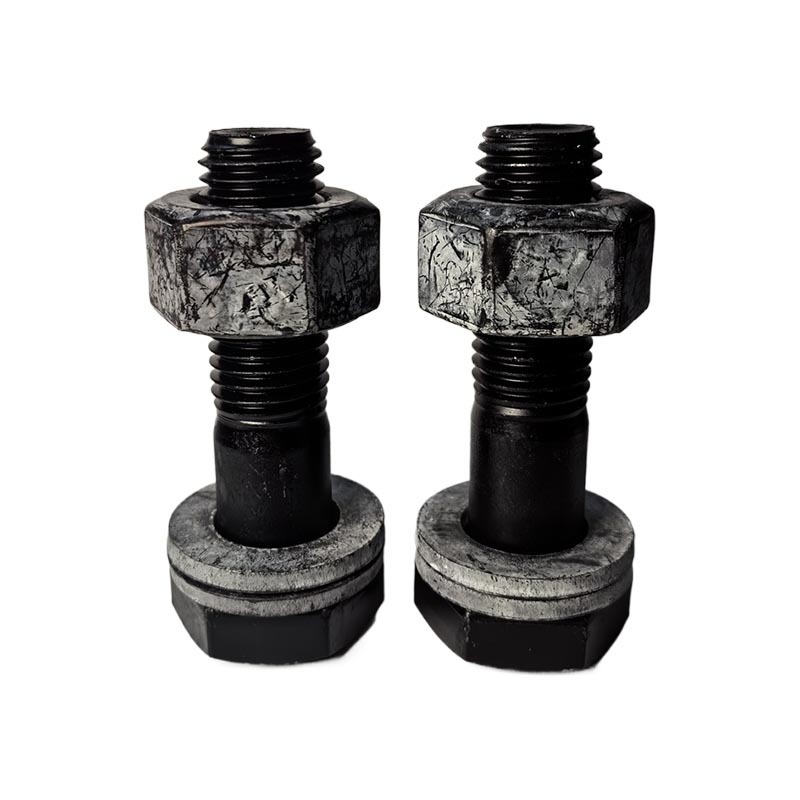
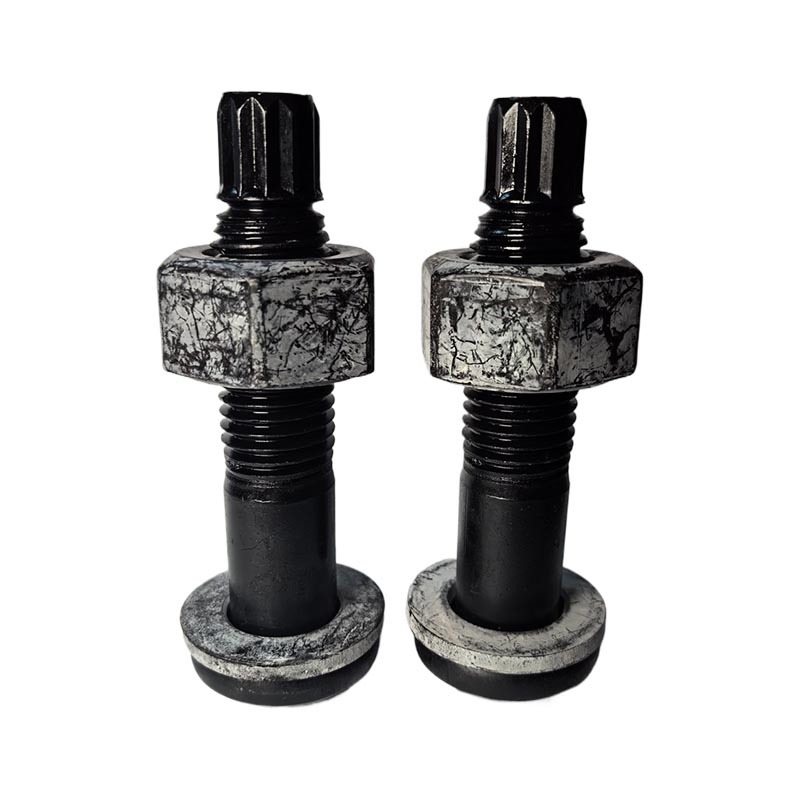
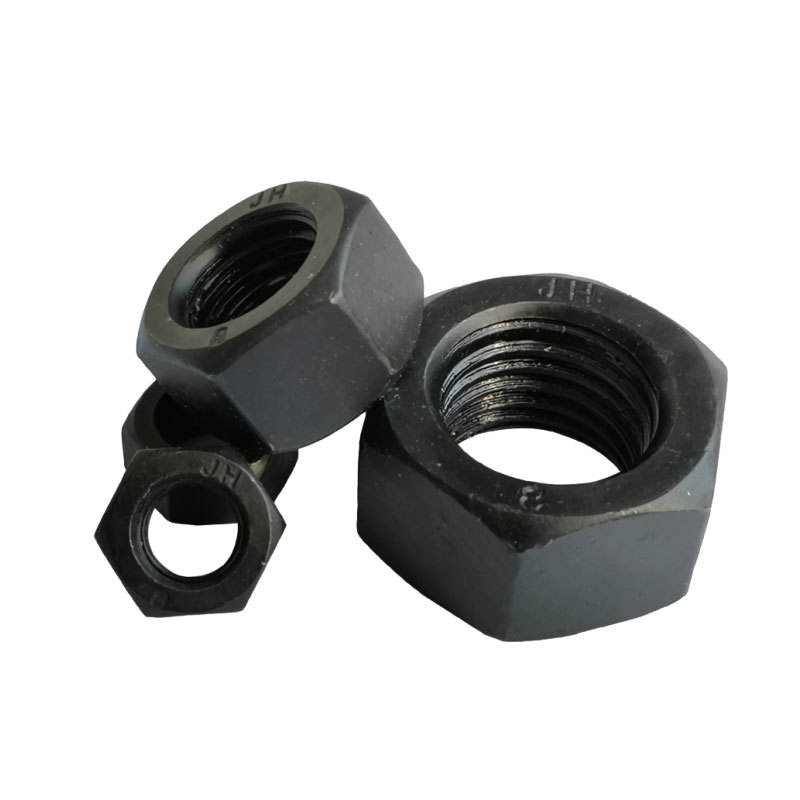
So, you've heard the term 'hex nut' thrown around in discussions about construction or engineering, but what does it actually mean? A hex nut is a type of fastener that has six sides (hence the name 'hex') and is used to secure bolts and screws. Simple, right? But don't let its simplicity fool you; these little metal wonders play a critical role in a myriad of applications, from building skyscrapers to assembling your favorite furniture.
The Inner Workings of Hex Nuts
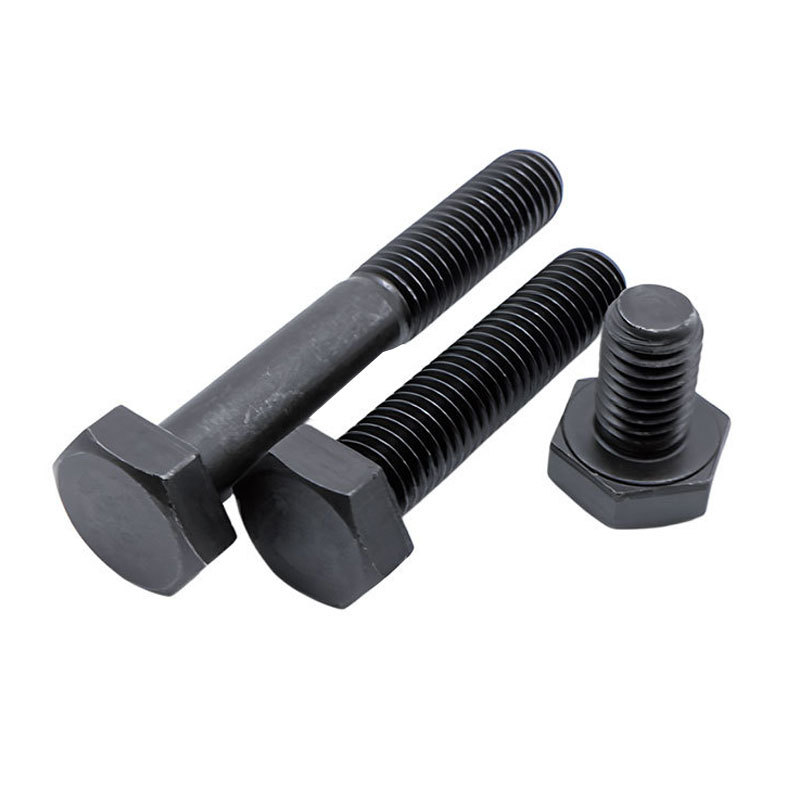
Now, let's dive into how these little guys work. When a bolt passes through a hole in two or more materials, a hex nut is threaded onto the end of the bolt, creating a secure connection. This is where the magic happens! The threads of the nut grip the bolt tightly, ensuring that everything stays in place—even under pressure. Talk about holding it together!
Why Use Hex Nuts?
You're probably wondering, why not just use any old nut? Well, hex nuts are designed specifically for strength and durability. Their six-sided shape allows for easy gripping with a wrench, ensuring that you can apply the necessary torque without stripping the nut. Plus, they come in various materials, including stainless steel, brass, and nylon, making them versatile for different environments and applications.
Applications Galore!
Hex nuts are everywhere! From the construction site to your garage, they're the unsung heroes of countless projects. Need to secure a fence? Hex nut. Assembling a bike? Hex nut. Building a complex machine? You guessed it—hex nut! Their adaptability makes them a go-to choice in automotive, aerospace, and even electronics.
How to Choose the Right Hex Nut?
With so many options out there, selecting the right hex nut can feel like finding a needle in a haystack. Here's a quick cheat sheet:
- Material: Consider the environment. Will it be exposed to moisture? Opt for stainless steel.
- Size: Match the nut to the bolt's diameter and thread pitch.
- Grade: Higher-grade nuts are more durable and can handle more stress.
Easy peasy, right?
Common Mistakes to Avoid
Even the pros can slip up! Here are a few common missteps when working with hex nuts:
- Over-tightening: It's tempting to crank down hard, but over-tightening can strip threads or crack the nut. Yikes!
- Ignoring Compatibility: Not all nuts fit all bolts. Always double-check specifications.
- Using the Wrong Tool: A wrench that's too large or small can lead to stripped nuts. Stick with the right size!
The Future of Hex Nuts
As technology evolves, so does the design and application of hex nuts. Innovations in materials and manufacturing processes are leading to even stronger, lighter, and more sustainable options. Who knew a little nut could be so future-forward?
Wrapping It Up
In a nutshell (pun intended!), hex nuts are essential components that keep our world together—literally! Whether you're a DIY enthusiast or a professional engineer, understanding how they work, where to use them, and how to choose the right one can save you time, money, and headaches down the line. So next time you're at the hardware store, give a nod to those little hex nuts; they do more than you might think!
More Application
The Rise of Self-Drilling Screws in Construction and Beyond
Unlocking Efficiency with Self-Drilling Screws in Industry Solutions
Unraveling the Mechanics of Self-Drilling Screws
Unlocking the Potential of Self-Dilling Screws in Industry Applications