

The Unsung Hero of Fasteners: Understanding the Hex Nut
Dec 05,2025
The Unsung Hero of Fasteners: Understanding the Hex Nut
When it comes to the world of fasteners, we often overlook the little guys that hold everything together. Enter the Hex Nut—a simple yet vital component in countless applications. Let's dive into the world of hex nuts, their significance in various industries, and why they deserve a bit more love!
What is a Hex Nut?
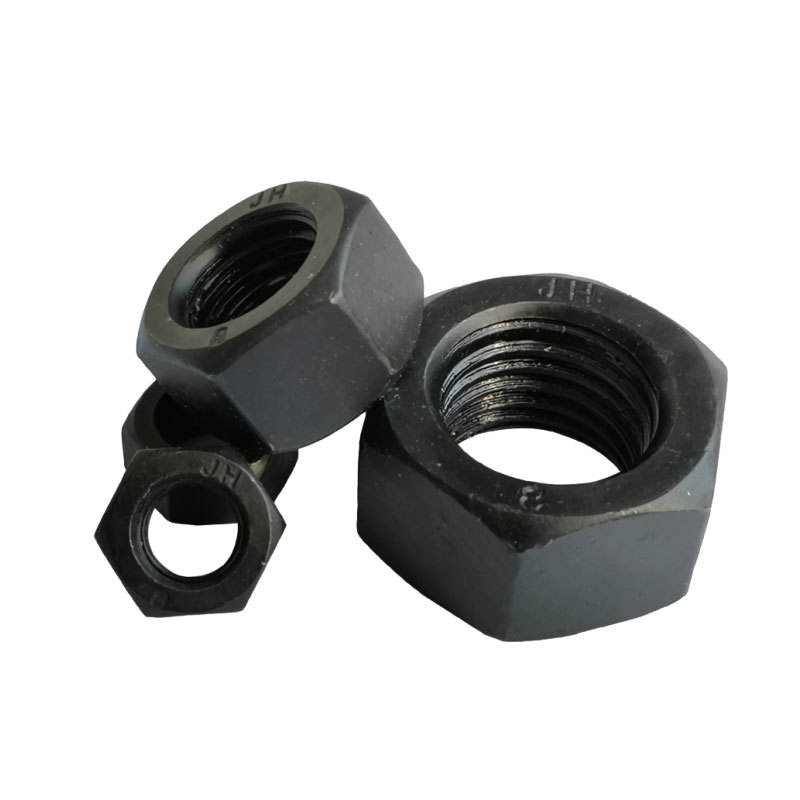
So, what exactly is a hex nut? Well, it's a six-sided fastener, typically made from metal, that is used in conjunction with a bolt to secure two or more objects together. Think of it as the peanut butter to your jelly; without it, the sandwich just doesn't hold up!
Why Hex Nuts Are Essential
Hex nuts are more than just a pretty face in the toolbox. They play a crucial role in various industries:
1. Construction
In construction, hex nuts are the backbone of structural integrity. They secure beams, girders, and other heavy-duty components, ensuring that skyscrapers and bridges stand tall and proud. I mean, who wants a wobbly building, right?
2. Automotive
In the automotive industry, hex nuts hold everything from engines to chassis together. Can you imagine a car without them? It would be like a taco without the shell—just a messy pile of ingredients!
3. Manufacturing
Manufacturing processes rely heavily on hex nuts. Whether it's machinery, conveyor belts, or assembly lines, these little wonders ensure everything runs smoothly. They keep the cogs turning, literally!
Types of Hex Nuts
Not all hex nuts are created equal. There's a whole world of variations out there:
1. Standard Hex Nuts
The most common type, standard hex nuts are used in everyday applications. They're like the vanilla ice cream of the fastener world—reliable and always there when you need them.
2. Flanged Hex Nuts
These nuts have a built-in flange that provides a larger bearing surface. Think of them as the extra support you didn't know you needed—perfect for softer materials that might get crushed under standard hex nuts.
3. Lock Nuts
Lock nuts are designed to resist loosening under vibration. They're like that friend who holds on tight during a rollercoaster ride—never letting go!
Selecting the Right Hex Nut
Choosing the right hex nut can be a bit daunting. Here are some tips to keep in mind:
- Material: Consider the environment. Will it be exposed to moisture, heat, or chemicals? Stainless steel might be your best bet!
- Size: Ensure it fits your bolt snugly. A loose nut is just asking for trouble.
- Grade: Different grades indicate different strengths. Always opt for a grade that meets or exceeds your application's requirements.
The Future of Hex Nuts
As industries evolve, so too does the design and application of hex nuts. With advancements in materials and manufacturing techniques, we can expect to see even more innovative fasteners that push the boundaries of engineering. It's an exciting time to be in the fastener game!
Conclusion
Next time you pick up a hex nut, take a moment to appreciate the engineering marvel it represents. These unsung heroes of fasteners make our world a more secure place, one bolt at a time. So, let's give a round of applause to the hex nut—small but mighty, and oh-so-essential!
More Application
The Rise of Self-Drilling Screws in Construction and Beyond
Unlocking Efficiency with Self-Drilling Screws in Industry Solutions
Unraveling the Mechanics of Self-Drilling Screws
Unlocking the Potential of Self-Dilling Screws in Industry Applications